

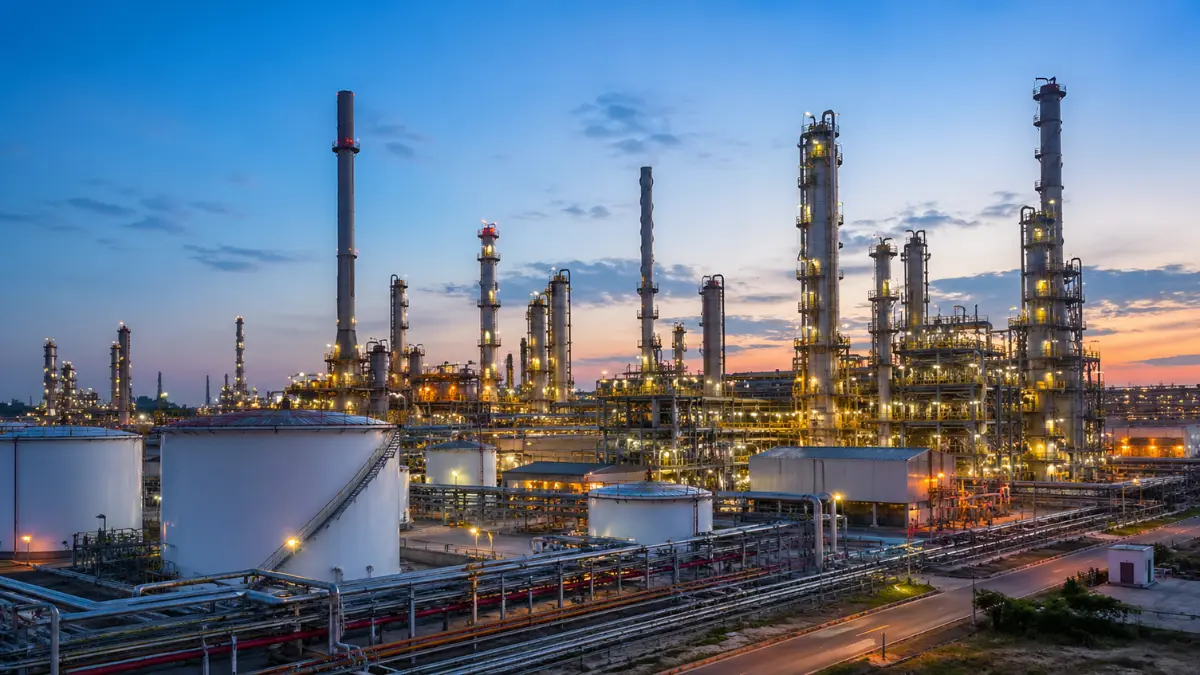
The Biden-Trump transition era’s geopolitical friction reached a boiling point Friday as the U.S. Treasury Department unveiled sweeping new Chinese refinery sanctions aimed at choking off Tehran’s primary revenue lifeline. The move, targeting independent “teapot” refiners and a massive logistics network, has sent immediate ripples through energy markets, threatening to erase recent relief at the pump for American drivers.
The Crackdown: Targeting the “Teapots”
Treasury Secretary Scott Bessent confirmed the Office of Foreign Assets Control (OFAC) has blacklisted Hengli Petrochemical (Dalian) Refinery, one of China’s largest private processors, alongside approximately 40 shipping companies linked to Iran’s “shadow fleet.”
U.S. officials allege these entities facilitated the movement of billions of dollars in illicit Iranian crude. While China’s state-owned giants have largely avoided sanctioned barrels to maintain access to the U.S. financial system, independent “teapot” refineries have become the primary outlet, consuming over 80% of Iran’s total oil exports in 2025. For a deeper look at the legal framework behind these designations, the official U.S. Department of the Treasury press release details the specific entities and vessels added to the SDN list.
Why This Hits the American Pump
While the sanctions target Chinese soil, the economic blowback is global. Crude oil prices, which had briefly dipped below $100 per barrel last week, surged 3% following the announcement. For U.S. consumers, the timing is precarious:
- National Average: As of April 26, the U.S. national average for regular gas sits at $4.02 per gallon, up from $2.98 just twelve months ago.
- Supply Tightness: By removing “discounted” Iranian barrels from the global pool, Chinese refiners are forced to bid for Brent and Middle Eastern grades, increasing competition for the same light-sweet crude used by U.S. East Coast refineries.
- Inflationary Pressure: Analysts warn that if these sanctions are coupled with secondary penalties on Chinese banks, global supply could contract by another 500,000 to 1 million barrels per day.
Market Sentiment and Investor Outlook
Energy stocks showed mixed reactions in premarket trading. While U.S. majors like ExxonMobil and Chevron saw modest gains on higher crude floor expectations, transport and retail sectors dipped on fears of sustained high fuel costs. According to real-time data from Bloomberg Markets, Brent crude futures jumped significantly on the news, reflecting investor anxiety over a tightening global supply chain.
The “financial stranglehold” strategy described by Bessent marks a shift toward aggressive enforcement. Unlike previous years where “teapots” operated in a grey zone, the current administration is signaling that no entity—regardless of size—is immune.
What to Watch Next
Investors should monitor the May 28 OPEC+ meeting, where members will decide whether to maintain current production cuts of 2 million barrels per day. If OPEC+ does not increase output to offset the “sanction gap,” gasoline futures could test the $4.50 mark by Memorial Day. Furthermore, keep a close eye on the Strait of Hormuz; any retaliatory maritime friction from Tehran could trigger a parabolic move in energy volatility.