


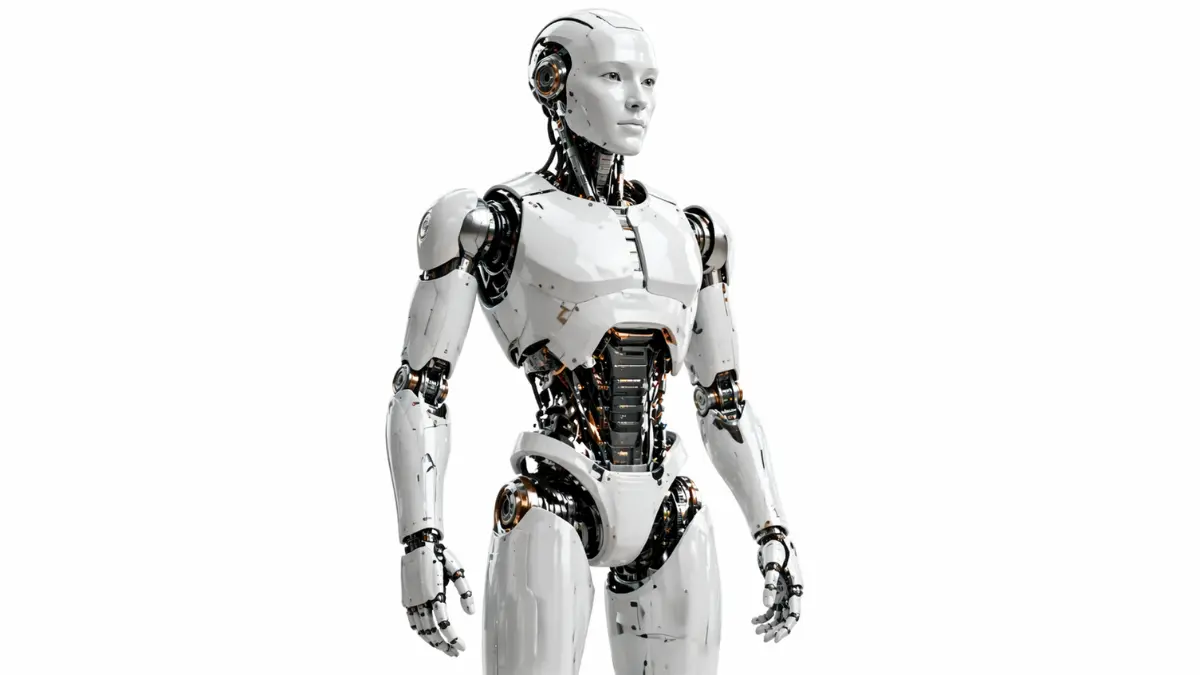
The future of American manufacturing just took its first autonomous steps in South Carolina. This morning, Figure AI officially transitioned its flagship humanoid robots from experimental pilots to active duty within the general assembly halls of BMW’s Spartanburg plant—the largest BMW manufacturing facility in the world. The deployment marks the first time bipedal, human-scale robotics have been integrated into a complex automotive production line to perform “dirty, dull, or dangerous” tasks alongside human counterparts.
What Happened: The Dawn of the General-Purpose Robot
The Spartanburg deployment involves a fleet of Figure 02 models, the company’s latest iteration featuring enhanced torque and dexterity. These robots are currently tasked with manipulating sheet metal and performing sub-assembly logistics—actions that require the precise coordination of five-fingered hands and Vision-Language-Action (VLA) models. Unlike traditional stationary industrial arms, Figure’s humanoids navigate the factory floor autonomously, identifying obstacles and dynamically adjusting their workflows without human intervention.
Why It Matters: The Economic Paradox
The shift from human labor to humanoid robotics is often framed through the lens of cost-cutting, but the real driver is labor scarcity. BMW Spartanburg currently employs over 11,000 people, yet consistently faces a shortfall in “Tier 3” manual labor roles.
The economics are increasingly difficult to ignore. A Figure 02 unit carries an estimated production cost of $150,000. When amortized over a five-year lifespan with 20-hour daily operation, the effective cost per hour drops to roughly $10 to $12. Compared to the average U.S. manufacturing wage of $30 per hour (inclusive of benefits and insurance), a humanoid robot offers a 60% reduction in labor expenses. For investors, this represents a massive unlock in margin expansion for a sector historically plagued by high overhead.
The Founder’s Journey: From Air to Earth
The success of Figure AI is inextricably linked to the strategic pivot of its founder, Brett Adcock. After founding the eVTOL pioneer Archer Aviation, Adcock identified that while flight was a niche logistics problem, labor was a universal one. Adcock’s “Master Plan” for Figure involves solving the hardware-software bottleneck that has stalled robotics for decades. By integrating end-to-end neural networks—effectively the “brain” of the robot—Figure 02 doesn’t follow rigid code; it learns by watching video of human workers, a process known as imitation learning.
Bigger Context: The AI-Robotics Convergence
This deployment comes as the “Humanoid Race” intensifies. Tesla’s Optimus and Boston Dynamics’ New Atlas are vying for similar pilot programs, but Figure’s integration into the BMW Group supply chain gives it the “First Mover” advantage in data collection. The convergence of generative AI and physical actuators has turned robots from “pre-programmed machines” into “reasoning agents.”
What Comes Next: Humanoid-as-a-Service
The 5-year outlook for Figure AI centers on the “Humanoid-as-a-Service” (HaaS) business model. Rather than forcing companies to pay $150,000 upfront, Figure is moving toward a subscription-based model where factories pay for “uptime.” Market analysts expect the humanoid robotics market to reach a $38 billion valuation by 2030, with automotive assembly acting as the primary catalyst.
Read More: Beyond the LLM: The Rise of the ‘Agentic AI’ Startup Hub in NYC